Unveiling Piperine: A Potent Herbal Ally from Ancient Cultures to Modern Medicine
Unlock the power of Piperine, a natural compound in black pepper, enhancing bioavailability, digestion, and overall well-being, backed by ancient wisdom and modern science."

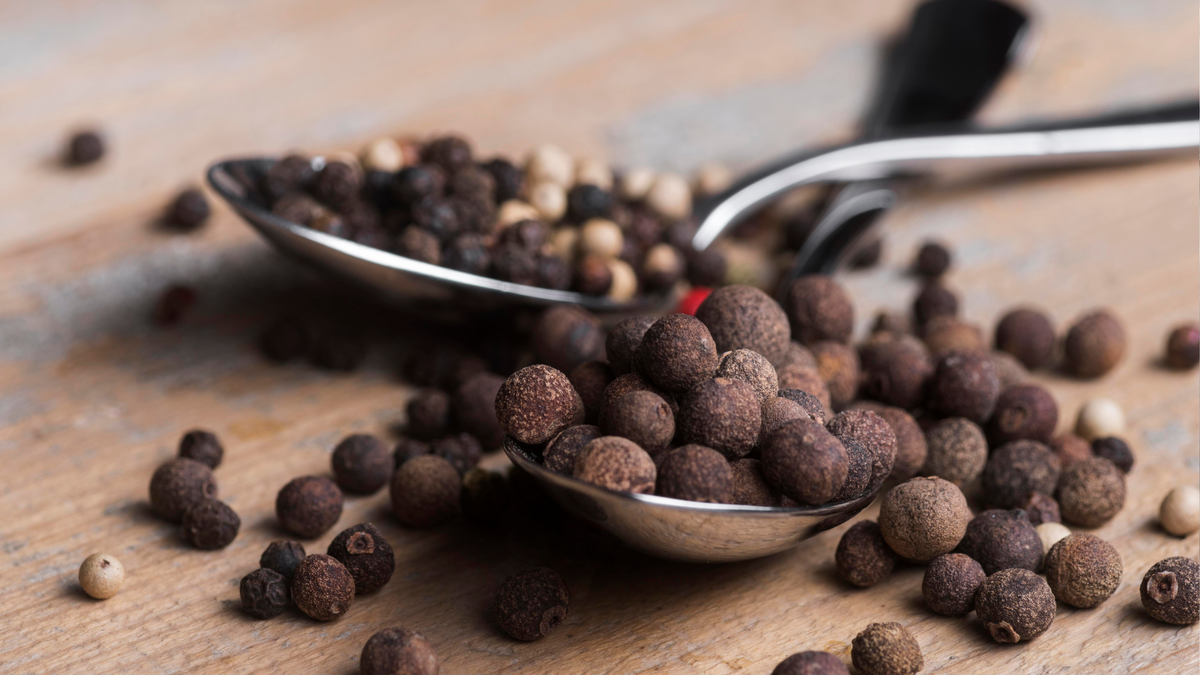
A few days ago, the word Piperine popped up in my herbal research. It was mentioned as a powerful addition to turmeric and a compound found in black pepper and other Piper species. I'd never seen the word Piperine, so I didn't recognize it as a natural remedy. Curiosity soon had me delving into its ancient applications, exploring its suppression by regulatory bodies, and uncovering its powerful modern potential.
A Journey Through Time: Piperine in Ancient Cultures
The Piper genus is a diverse family of tropical vines and shrubs that have left an unforgettable mark on cultures across the globe. Of its numerous species, Piper nigrum, or black pepper, stands out as one of the most revered and widely used plants in history.
So, what makes piperine so special? This potent compound belongs to the vanilloid family, which also includes capsaicin, the fiery substance found in chili peppers. Piperine is a weak base that's not very water-soluble, but it packs a punch when it comes to its pharmacological actions.
One of piperine's most notable attributes is its ability to enhance the bioavailability of other compounds. It can increase the absorption of various nutrients and even certain drugs, making it a powerful ally in the world of supplements and herbal remedies.
Ancient Egypt: The Land of Pharaohs and Pepper
In ancient Egypt, Piper nigrum held immense value, serving as a valuable commodity and a remedy for various ailments. The Egyptians imported black pepper from the distant lands of southern India and Sri Lanka, using it as a form of currency and a precious ingredient in their cuisine and medicine (Melinda A. Smith, "Spice: The History of a Temptation"). They believed black pepper could treat conditions such as inflammation, digestive issues, and pain, reflecting their early understanding of its pharmacological properties.
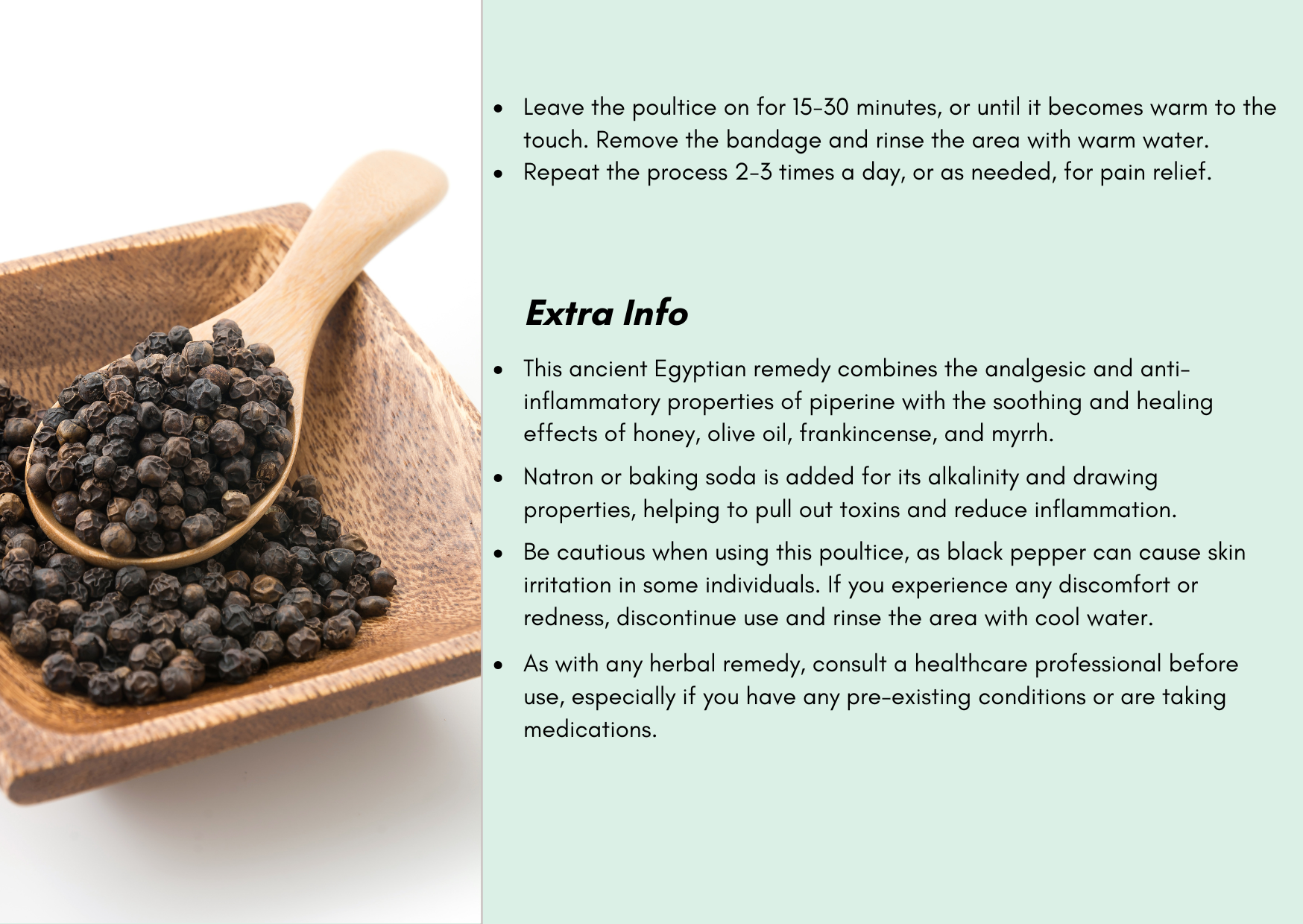
Ayurveda: The Wisdom of Life and Pepper
The Ayurvedic tradition in India, one of the world's oldest medical systems, has praised black pepper (Pippali) as a medicinal spice for over 4,000 years. In Ayurveda, black pepper is considered a heating, drying, and stimulating herb that helps balance the body's three doshas (vata, pitta, and kapha). It is used to:
- Enhance digestion and appetite
- Relieve gas, bloating, and constipation
- Soothe sore throats and coughs
- Improve circulation and blood flow
- Alleviate pain and inflammation
- Boost cognition and memory (Dr. Vasant Lad, "Textbook of Ayurveda")
Ayurvedic practitioners often combine black pepper with other herbs to create powerful remedy formulas, such as the popular Trikatu, which also includes ginger and pippali (long pepper). This approach exemplifies the synergism and adaptability of ancient herbal medicine.
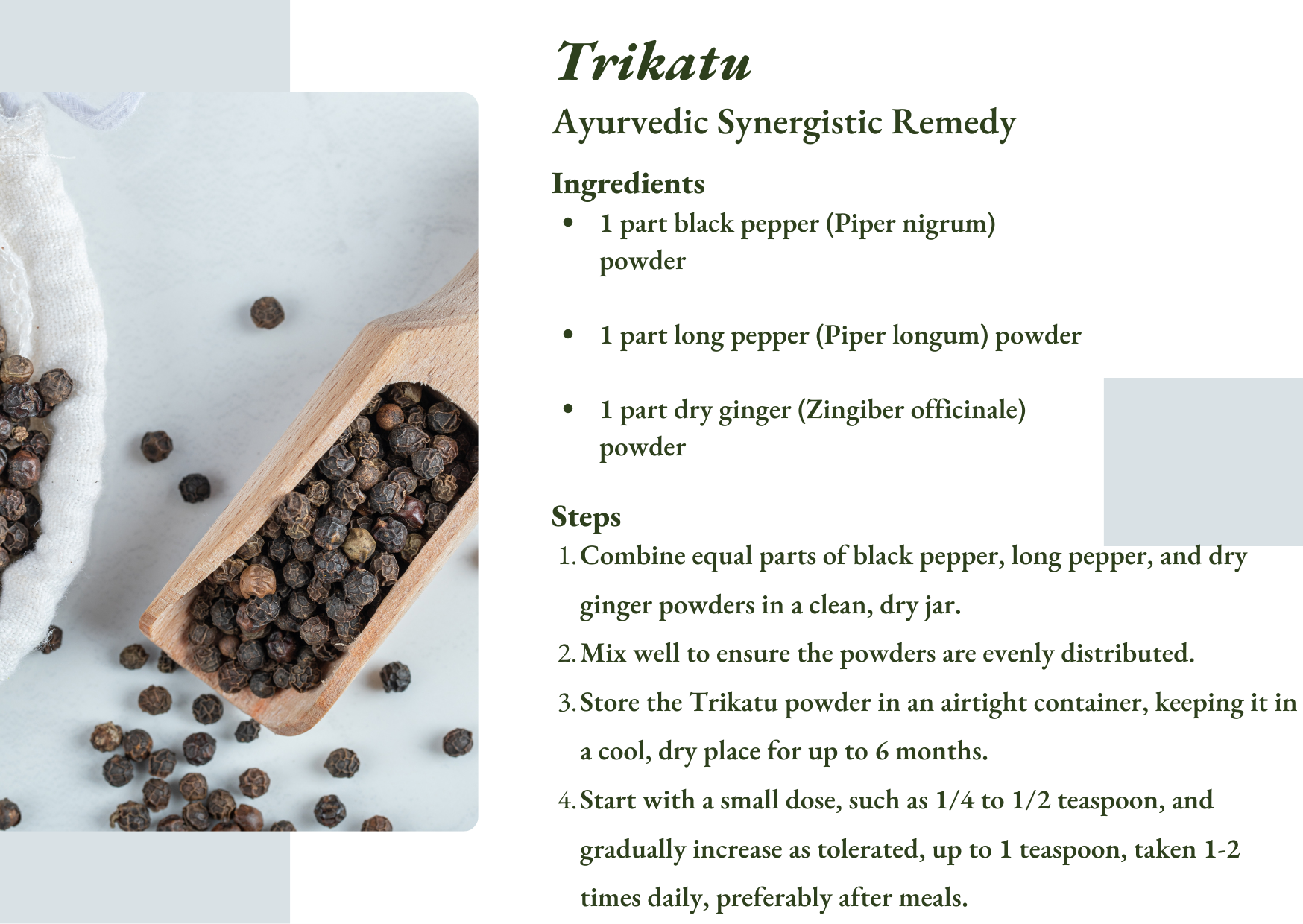
Trikatu is typically consumed with warm water, honey, or ghee to mitigate its potential irritating effects on the gut.
China: The Land of the Dragon and Black Pepper
In Traditional Chinese Medicine (TCM), black pepper is known as Hu Jiao and is used to treat a wide array of health concerns. TCM practitioners believe that black pepper warms the body, dispels cold, and promotes the smooth flow of Qi (life energy). Some of its primary applications include:
- Treating digestive issues, such as poor appetite, abdominal pain, and diarrhea
- Reducing inflammation and relieving pain, particularly in the joints and muscles
- Boosting circulation and relieving cold extremities
- Alleviating coughs and sore throats
- Improving blood flow and reducing blood stagnation (Bensky, Gach, and the latest edition of "Chinese Herbal Medicine: Materia Medica")
The ancient Chinese also valued black pepper as a culinary spice, using it to flavor dishes and preserve food. It was considered a precious commodity, often reserved for the imperial court and the wealthy elite.


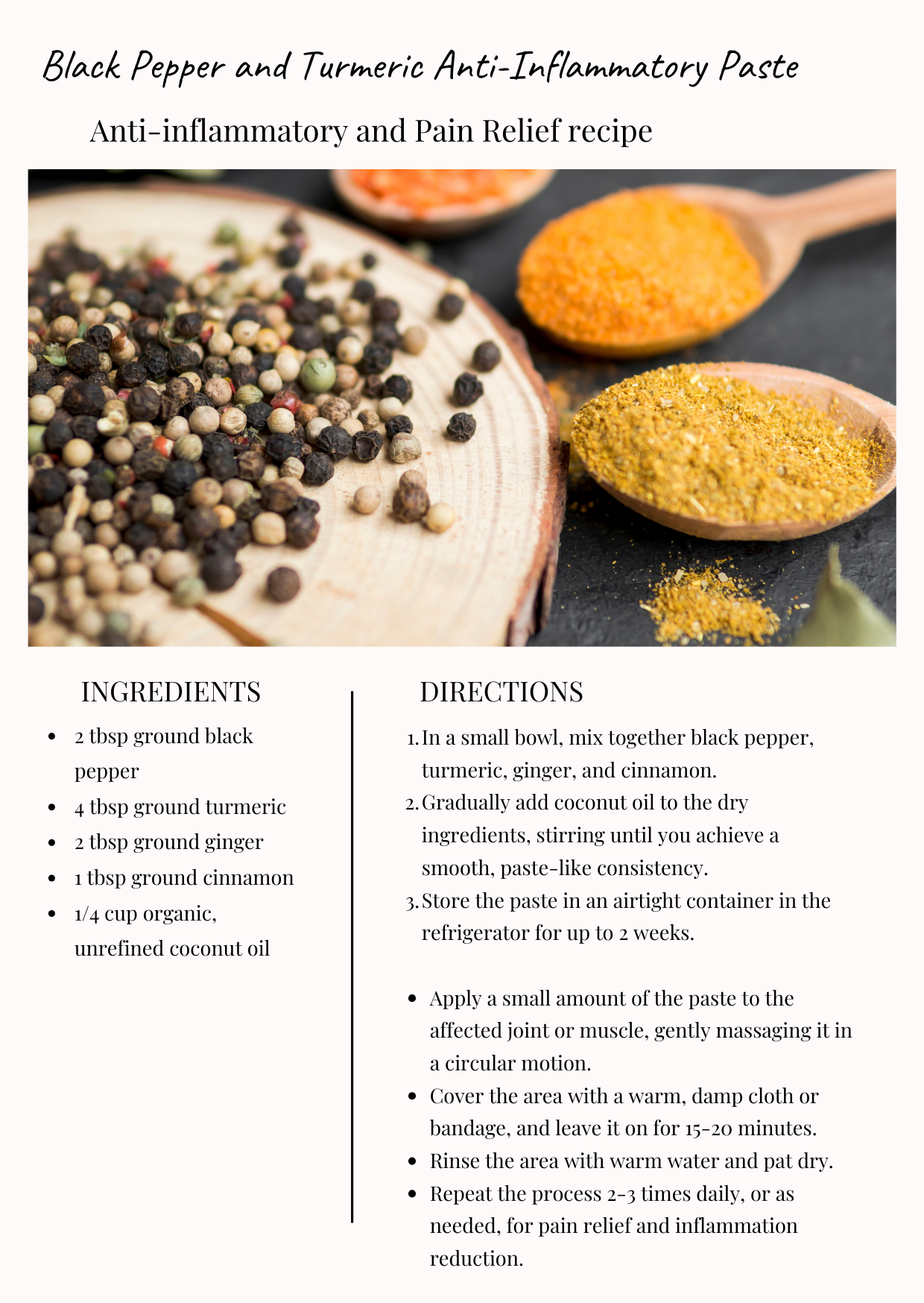
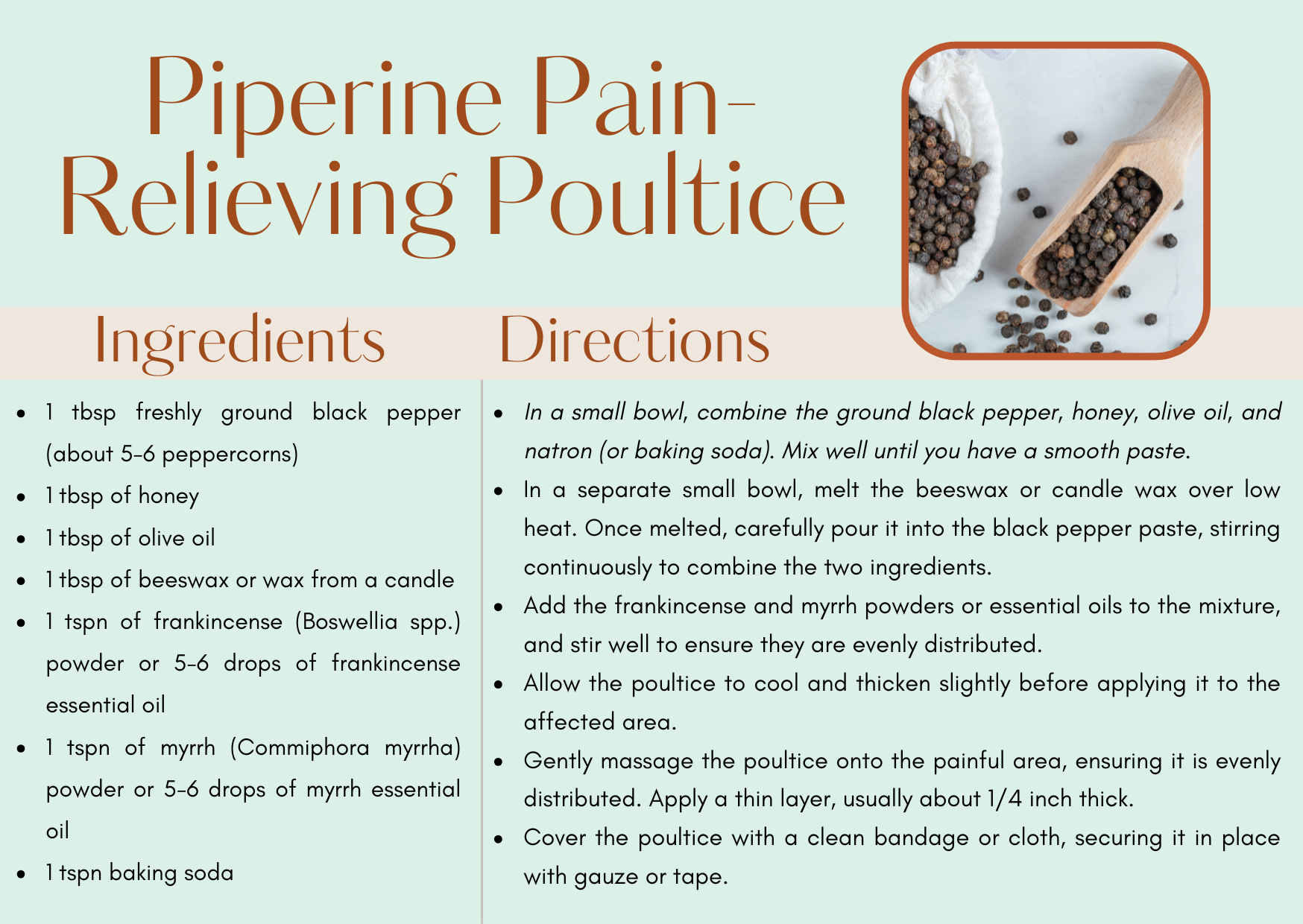
- Black pepper can cause skin irritation in some individuals. If you experience any discomfort or redness, discontinue use and rinse the area with cool water.
- These remedies are designed to be used as part of a comprehensive pain management strategy, combining natural therapies with proper rest, hydration, gentle exercise, and, when necessary, medical care.
- Always consult a healthcare professional before using any new remedy, especially if you have any pre-existing conditions, are pregnant, or are taking medications.
Indigenous Cultures: A Global Perspective
The reverence for the Piper genus extends beyond these ancient civilizations, encompassing countless indigenous cultures worldwide. In Latin America, for instance, various Piper species have been used to treat a wide range of conditions, from stomach disorders to neuralgia and muscular aches. The Taino people of the Caribbean used black pepper to treat fever, chills, and exhaustion, while the Maya employed it to stimulate saliva flow and facilitate digestion (Principe, "The AIMS Guide to the Medical Uses of Plants: An Annotated Checklist of Scientific Publications").
Suppression and Resurgence: The Piperine Paradox
Despite its rich history and proven benefits, piperine, the active compound in black pepper, has faced suppression and underutilization in modern times. This paradox can be attributed to several factors, but its resurgence is now being driven by scientific research that validates its ancient uses and reveals new potential applications.
Suppression:
- Regulatory constraints: In many countries, including the United States, regulatory bodies like the FDA classify black pepper and its extracts as food ingredients rather than dietary supplements. This classification limits the promotion of piperine's health benefits and restricts its use in supplements, as they must comply with specific regulations to make structure-function claims (Dietary Supplement Health and Education Act of 1994).
- Pharmaceutical industry influence: The pharmaceutical industry has historically shown little interest in investing in research and development of natural compounds like piperine, as they are often difficult to patent and produce lower profit margins compared to synthetic drugs.
- Lack of standardization: The variation in piperine content among black pepper sources and extracts has posed challenges in ensuring consistent product quality and efficacy, further hindering its widespread adoption in the supplement industry.
Resurgence:
- Scientific validation of ancient uses: Modern research has confirmed many of piperine's traditional applications, such as enhancing nutrient absorption, supporting liver detoxification, and exhibiting antioxidant and anti-inflammatory properties. These findings are helping to resurrect piperine's reputation and promote its use in natural health products.
- Potential to boost medication effectiveness: Studies showing that piperine can increase the bioavailability of various medications by inhibiting their metabolism have opened new avenues for its application. This could lead to improved treatment outcomes and reduced drug resistance (e.g., in the case of HIV and tuberculosis medications) (Atal et al., "Piperine: Molecular Aspects and Biological Activities").
- Phytoequivalence and standardization: Advances in extraction and standardization techniques have made it possible to produce high-quality, consistent piperine extracts. This has addressed some of the previous challenges and facilitated the integration of piperine into dietary supplements and functional foods.
- Growing consumer interest in natural health products: The increasing demand for natural, evidence-based remedies has created a market for piperine-containing products. As consumers become more informed about the benefits of piperine, demand for these products is likely to grow.
The Future of Piperine:
The piperine paradox highlights the tension between ancient wisdom and modern regulation. As scientific research continues to validate the traditional uses of piperine and uncover new applications, it is essential to advocate for evidence-based policies that recognize the value of natural compounds like piperine. By doing so, we can harness the power of piperine to support health and well-being, while fostering a more holistic approach to medicine and nutrition.
Piperine in the Modern World: A Multiplying Effect
Scientific studies have shown that Piperine can:
- Enhance nutrient absorption: Piperine inhibits an enzyme that breaks down other compounds, allowing them to stay in the body longer and be more effectively absorbed (Piperine Report, Cochran Foundation).
- Boost the potency of other substances: Piperine can increase the bioavailability of various drugs and supplements, multiplying their strength (Russell Mills, The Delano Report).
- Possess antioxidant and anti-inflammatory properties: Piperine has shown potential in fighting inflammation and oxidative stress, which are linked to numerous diseases.
Today, Piperine is being explored for its potential in treating various conditions, such as:
- Digestive issues: Its carminative and anti-inflammatory properties can help soothe digestive discomfort.
- Cognitive enhancement: Ancient wisdom and modern research suggest Piperine may boost brain function and memory.
- Cancer prevention: By inhibiting the formation and growth of cancer cells, Piperine shows promise in cancer prevention (Source: "Piperine: A Review of Its Biological Activities" in the Journal of Ethnopharmacology).
Piperine Today: Rediscovering an Old Friend
Despite the suppression, piperine's star is rising again, thanks to dedicated researchers and enthusiasts. Moreover, piperine's ability to enhance the bioavailability of other compounds makes it an invaluable addition to any herbalist's toolkit. It can help you get more bang for your buck from other supplements and herbs, amplifying their effects.
How to Incorporate Piperine into Your Life
So, how can you harness the power of piperine? Here are a few suggestions:
- Spice Up Your Food: Start by adding more black pepper to your food. Not only will it add a delightful kick to your dishes, but you'll also be reaping the health benefits of piperine.
- Supplementation: Consider taking a piperine supplement. You can find these online or in health food stores. Remember, a little goes a long way. Start with a low dose and gradually increase if needed.
- Bioperine: This is a patented form of piperine that's been standardized for optimal potency and bioavailability. It's often used in supplements to enhance the absorption of other compounds.
The Piperine Factor: Ancient Wisdom Rediscovered
Piperine's ability to enhance digestion, reduce inflammation, and stimulate various physiological processes has been recognized by ancient healers and is now supported by modern scientific research. As we continue to unravel the secrets of Piperine, we can harness its potential to improve our health and well-being, while honoring the rich cultural heritage that surrounds this remarkable compound.
Disclaimer: Always consult with a healthcare professional before starting any new supplement regimen. This article is not intended to diagnose, treat, or cure any disease.
Sources:
- Melinda A. Smith, "Spice: The History of a Temptation"
- Dr. Vasant Lad, "Textbook of Ayurveda"
- Bensky, Gach, and latest edition of "Chinese Herbal Medicine: Materia Medica"
- Principe, "The AIMS Guide to the Medical Uses of Plants: An Annotated Checklist of Scientific Publications"
- The Cochran Foundation of Medical Research's "Piperine Report"
- Russell Mills' article "Piperine Multiplies the Strength of Many Supplements and Drugs" in The Delano Report.
- Nadkarni, "Indian Materia Medica"
- Susan Stearns, "Greek and Roman Medicine"
- Rajeswari and Sabesan, "Piperine: A Review of Its Biological Activities"