Herbal Alchemy: The Timeless Art of Crafting Plant Medicine Tinctures
Discover the ancient wisdom and modern science of herbal tinctures, from ancient cultures to today. Potent, convenient, and versatile, these plant extracts support almost any health concern.

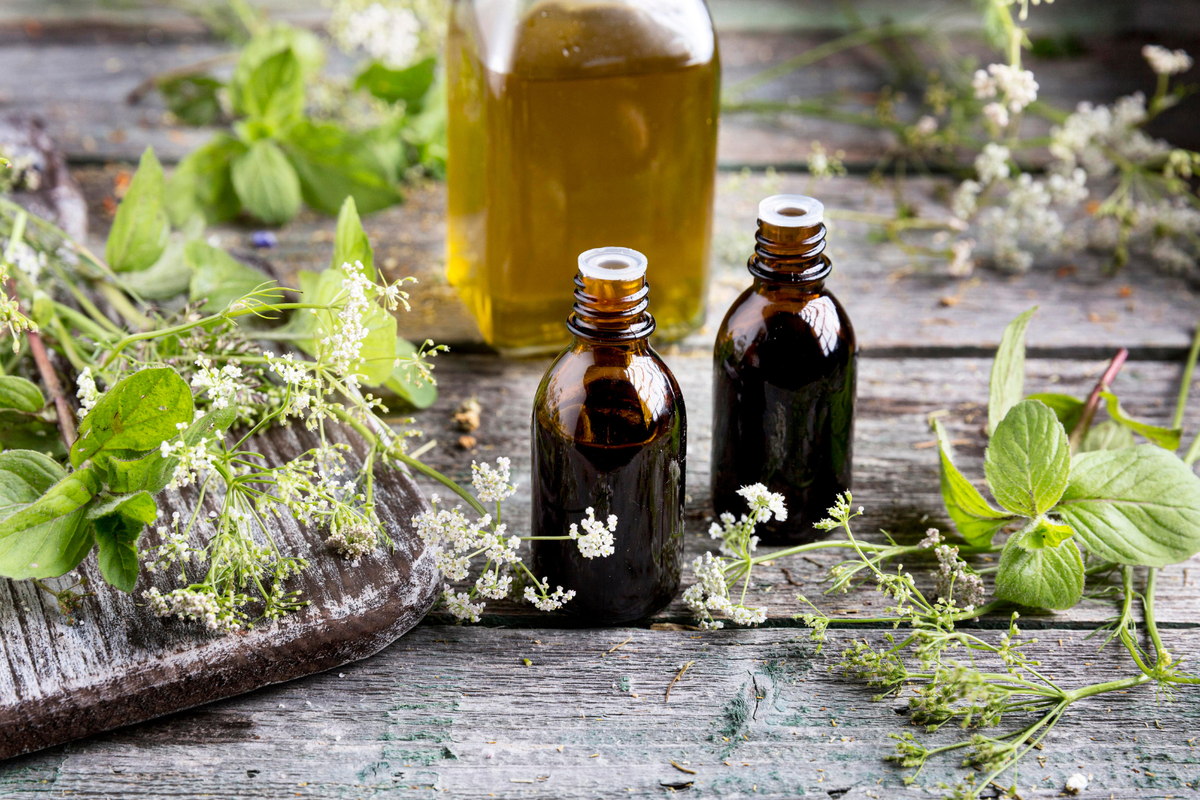
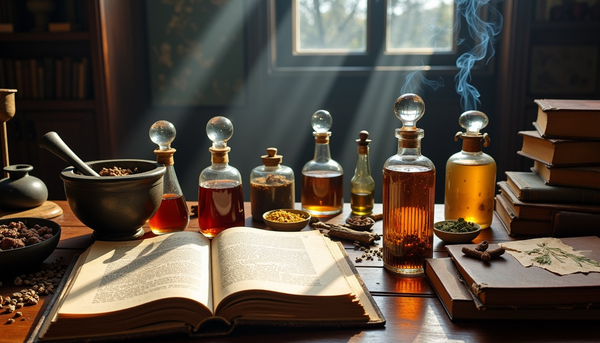
Herbal tinctures, a product of ancient wisdom and modern science, have been guiding humanity's health journey for millions of years. These concentrated plant extracts, suspended in a menstruum (usually alcohol, but sometimes vinegar or glycerin), have traveled cultures, continents, and eras, leaving an everlasting mark on medicine.
Menstruum (noun): A solvent used in the process of making herbal extracts, derived from the Latin word 'menstruus', meaning 'monthly'.
In this post, I'll share the fascinating journey through the history and evolution of herbal tinctures. From the ancient Egyptians' use of plant extracts to the modern-day integration of tinctures in holistic healthcare, exploring the power of these potent elixirs and their role in our collective health story.
Along the way, I'll share the art and science behind tincture-making, unearth ancient recipes, and reveal the plant secrets of some of the world's most revered healers. I'll also look into how herbal tinctures have shaped modern pharmacology and continue to influence the way we approach health and wellness today.
Let's take a look into a world where the past, present, and future of herbal medicine intertwine.
Herbal tinctures are concentrated, liquid extracts of plants, created by soaking fresh or dried herbs in a menstruum for several weeks. This process allows the active compounds in the plant material to infuse into the menstruum, resulting in a potent, easy-to-dose, and convenient form of herbal medicine.
The benefits of herbal tinctures are numerous and varied, making them a valuable addition to a natural healthcare routine. Some key advantages include:
- Potency and concentration: Tinctures deliver a high dose of active plant compounds, offering powerful support for various health concerns.
- Fewer side effects: Due to their natural origin, herbal tinctures often have fewer side effects compared to some pharmaceutical medications.
- Versatility and convenience: Tinctures can be taken directly, added to water or other beverages, or incorporated into topical formulations. They're easy to dose and transport, making them perfect for on-the-go use or travel.
** Broad-spectrum support:**
Herbal tinctures can help support various aspects of health, including but not limited to:
- Boosting immune function and fighting infection
- Reducing inflammation and pain
- Supporting digestive health and gut function
- Promoting healthy sleep and stress relief
- Enhancing cognitive function and mental well-being
Whether you're looking to bolster your overall wellness, manage specific health conditions, or simply seek a natural alternative to conventional medications, herbal tinctures offer a powerful and versatile tool for supporting almost all common health concerns.
The Ancient Art of Herbal Tinctures
The practice of creating herbal tinctures, while not as widespread in ancient times as it is today, has roots in various cultures and their healing traditions. This is an exploration of the fascinating history, early origins, and uses of herbal extracts across different civilizations.
Ancient Egypt
The ancient Egyptians were among the first to document the medicinal uses of plants, with their extensive knowledge of herbal remedies recorded in the Ebers Papyrus around 1500 BCE. This incredible document, written on papyrus, details over 877 prescriptions and treatments, including herbal extracts.
Papyrus: a material made from the pith of the papyrus plant, used in ancient times for writing on, now known for its durability and relevance in historical documents, including medical guides.
The Ebers Papyrus was named after German Egyptologist Georg Ebers, who purchased and published it after its acquisition. It lists remedies for coughs, abdominal issues, eye diseases, and skin conditions, among many other medical conditions. Egyptian medicine, as evidenced by the Ebers Papyrus, incorporated natural ingredients such as wines, beers, milk, honey, and waxes into its treatments. This document is considered a significant medical handbook of its time, showcasing both empirical and symbolic treatments and demonstrating impressive diagnostic precision.
The medical text mentions herbal extracts, indicating that the Egyptians were aware of the potency and convenience of concentrated plant remedies. While not explicitly called "tinctures," the described extracts laid the groundwork for future extraction methods.
Simple tincture recipes: Although the exact tincture-making processes used in ancient Egypt have been lost to time, historical records suggest that the Egyptians created simple tinctures by soaking herbs in wine, honey, or other liquids to extract their beneficial properties.
Here's an example of a sore throat cure from the Ebers Papyrus. This is documented as Spell 282 in the original text.
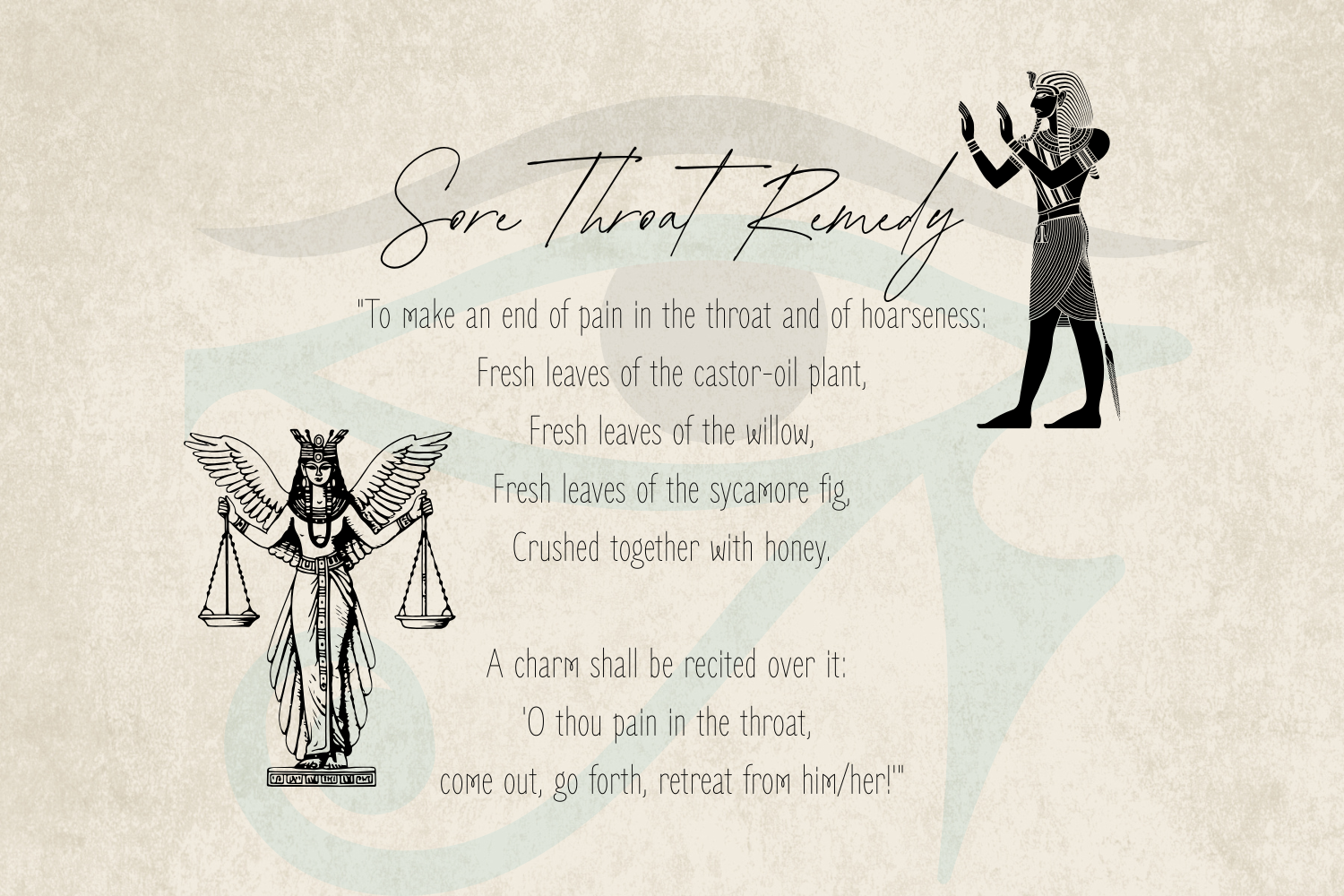
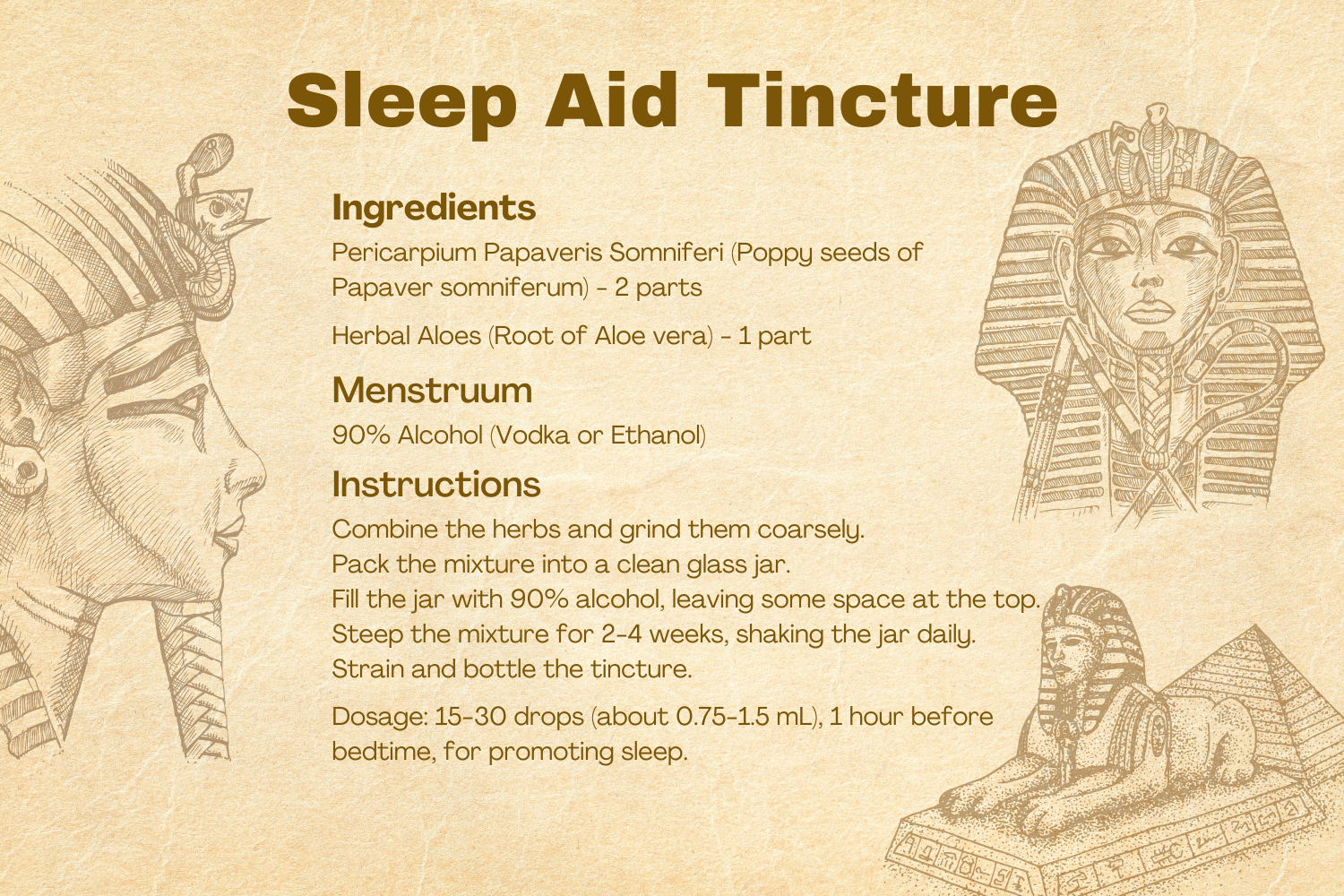
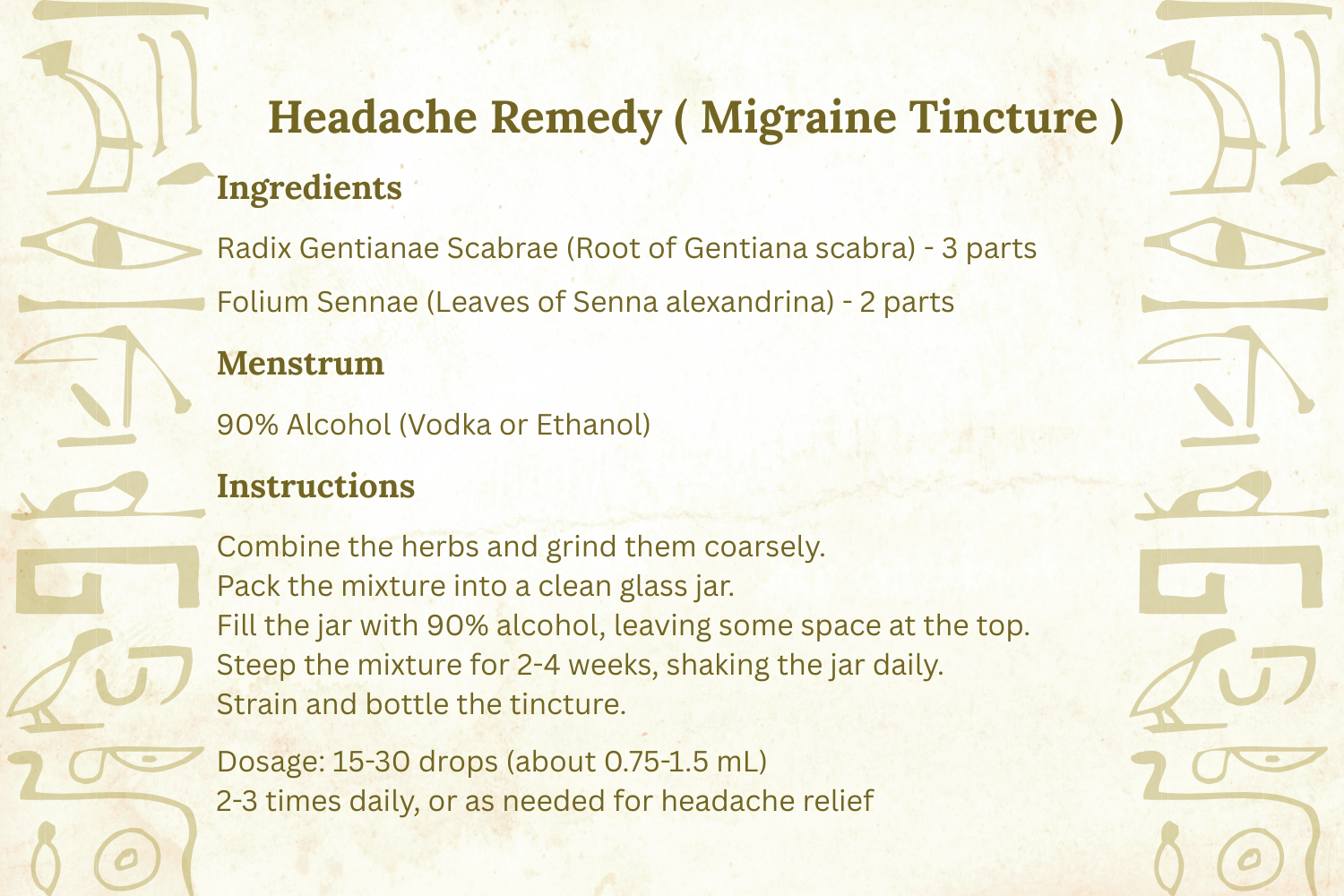
The following Tincture recipes are inspired by the remedies found in the ancient Egyptian medical text. Please note that these are modern interpretations, as the original recipes may not have specified the use of alcohol or the precise measurement of ingredients. Rather than interpreted in the form of a spell, these recipes are documented as modern recipes.
Sleep Aid Tincture
Traditional Chinese Medicine (TCM)
Traditional Chinese Medicine, with its roots tracing back over 3000 years, is one of the world's oldest and most sophisticated medical systems. While TCM (Traditional Chinese Medicine) primarily uses herbs in their natural form, alcohol extraction has been used for specific purposes.
The Huangdi Neijing, also known as the "Yellow Emperor's Classic of Medicine," is an ancient Chinese medical text written around 200 BCE during the Spring and Autumn Period (722-481 BC). The text is attributed to the mythical Yellow Emperor, Huangdi, but it is believed to have been compiled during the period mentioned above. This comprehensive work introduces key concepts such as yin and yang, providing a philosophical and scientific framework that views the human body as a microcosm of the universe, with the two forces being complementary rather than mutually exclusive. The Huangdi Neijing is one of the earliest surviving texts on medicine and offers insights into Chinese medical thought and practice.
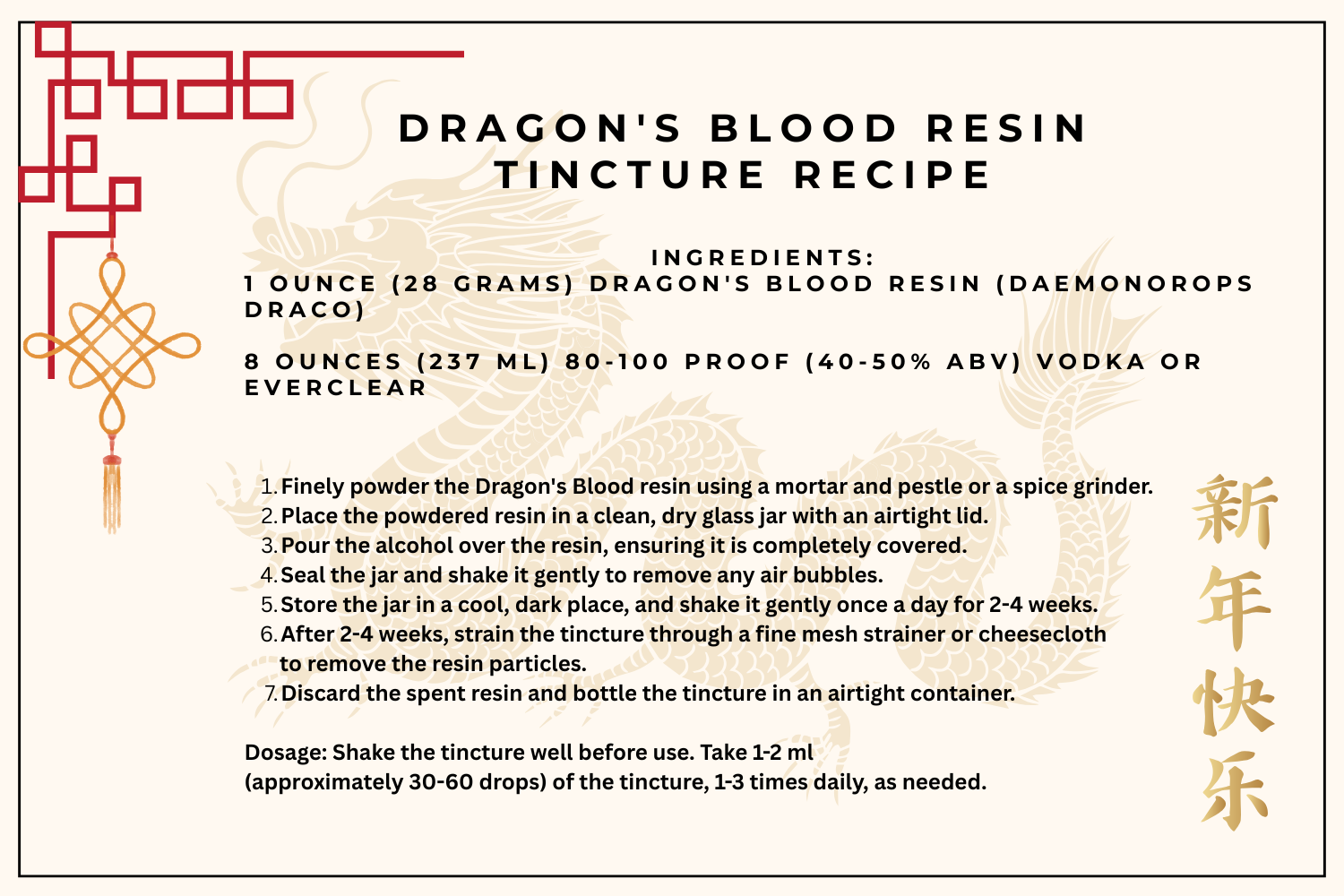
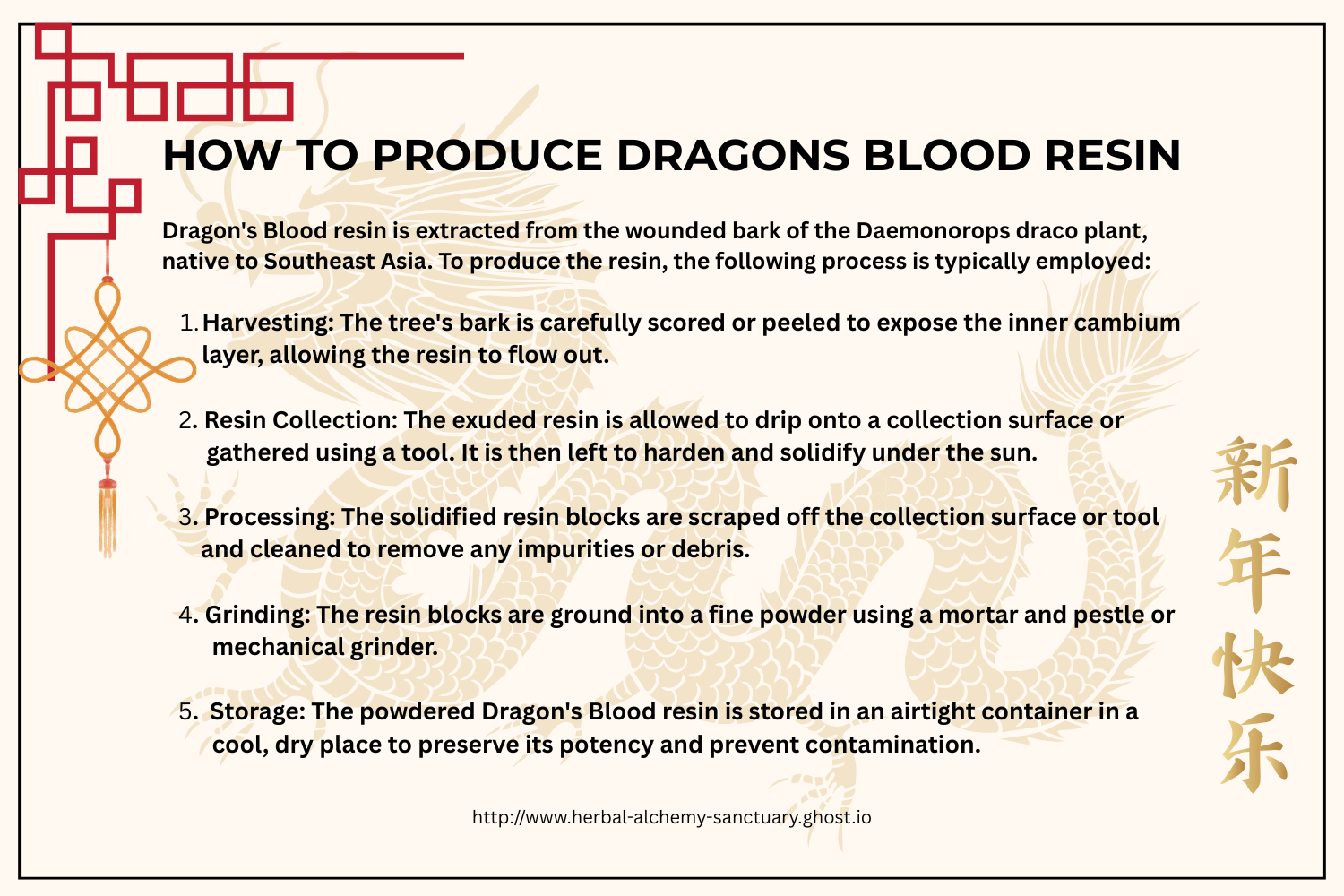
One example is the Dragon's Blood resin tincture, made from the resin of the Daemonorops draco palm. This tincture has been used in Traditional Chinese Medicine for centuries to promote wound healing, reduce inflammation, and stop bleeding.
The resin itself is extracted from the wounded bark of the Daemonorops draco plant, native to Southeast Asia.
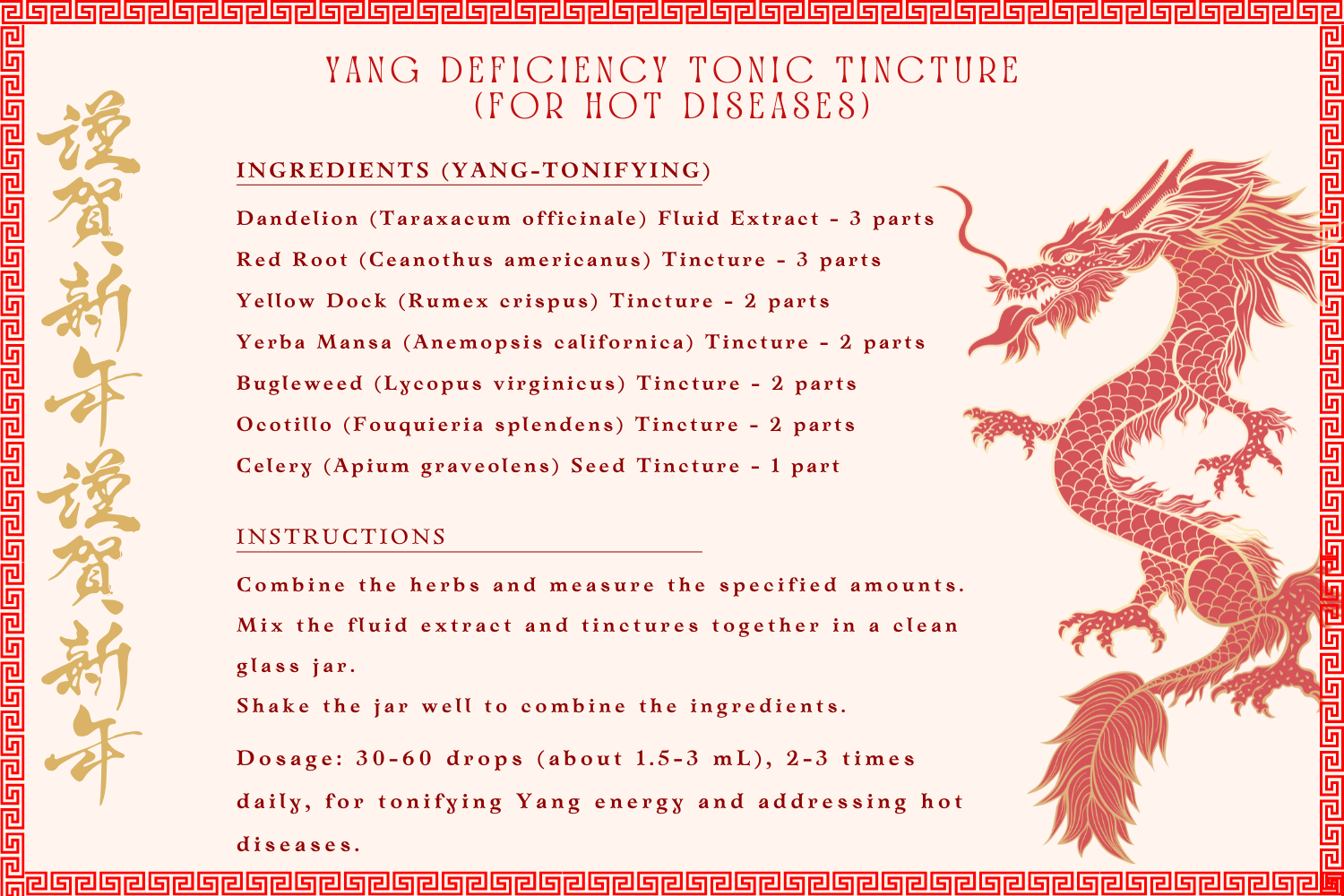
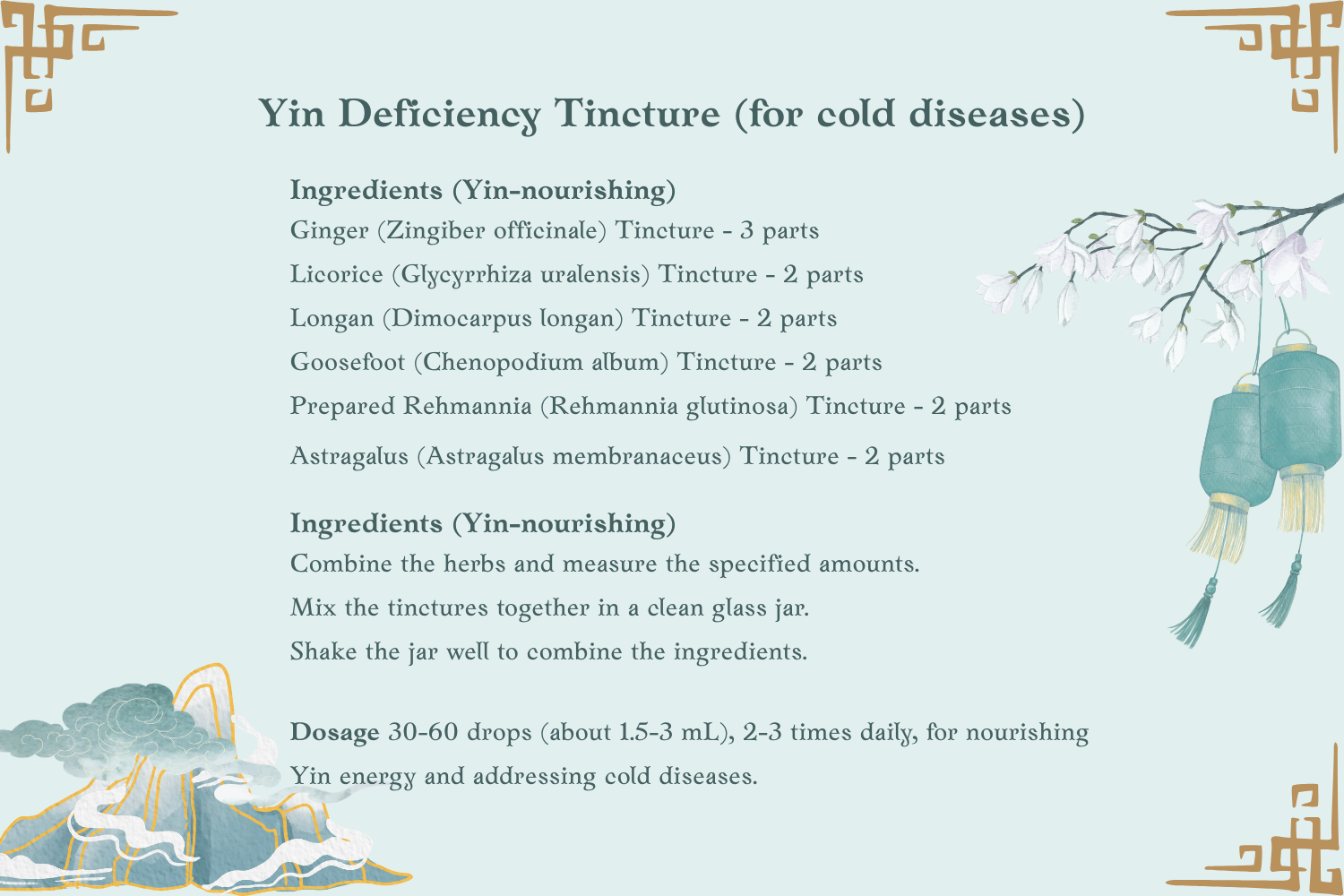
Inspired by The Yellow Emperor's Classic of Medicine, the following two Tinctures are designed to balance the fire and water elements behind the concept of Yin and Yang.
Ayurvedic Medicine
Originating in ancient India over 5000 years ago, Ayurvedic Medicine is one of the world's oldest holistic healing systems. Based on the ancient Sanskrit texts, including the Rig Veda and Atharva Veda, it employs a comprehensive approach to health and wellness. The practice incorporates yoga, meditation, nutrition, detoxification, massage, and the use of herbal and mineral preparations. This ancient repository is another valuable resource of herbal knowledge and uses various techniques for preparing extracts, including tinctures.
The term "tincture" as we understand it today – an alcoholic extract of a plant – is not specifically mentioned in the ancient Ayurvedic texts. Although this is the case, the concept of extracting and concentrating the healing properties of plants using liquid solvents like alcohol, oil, or ghee (clarified butter) is present in the ancient texts and daily practices.
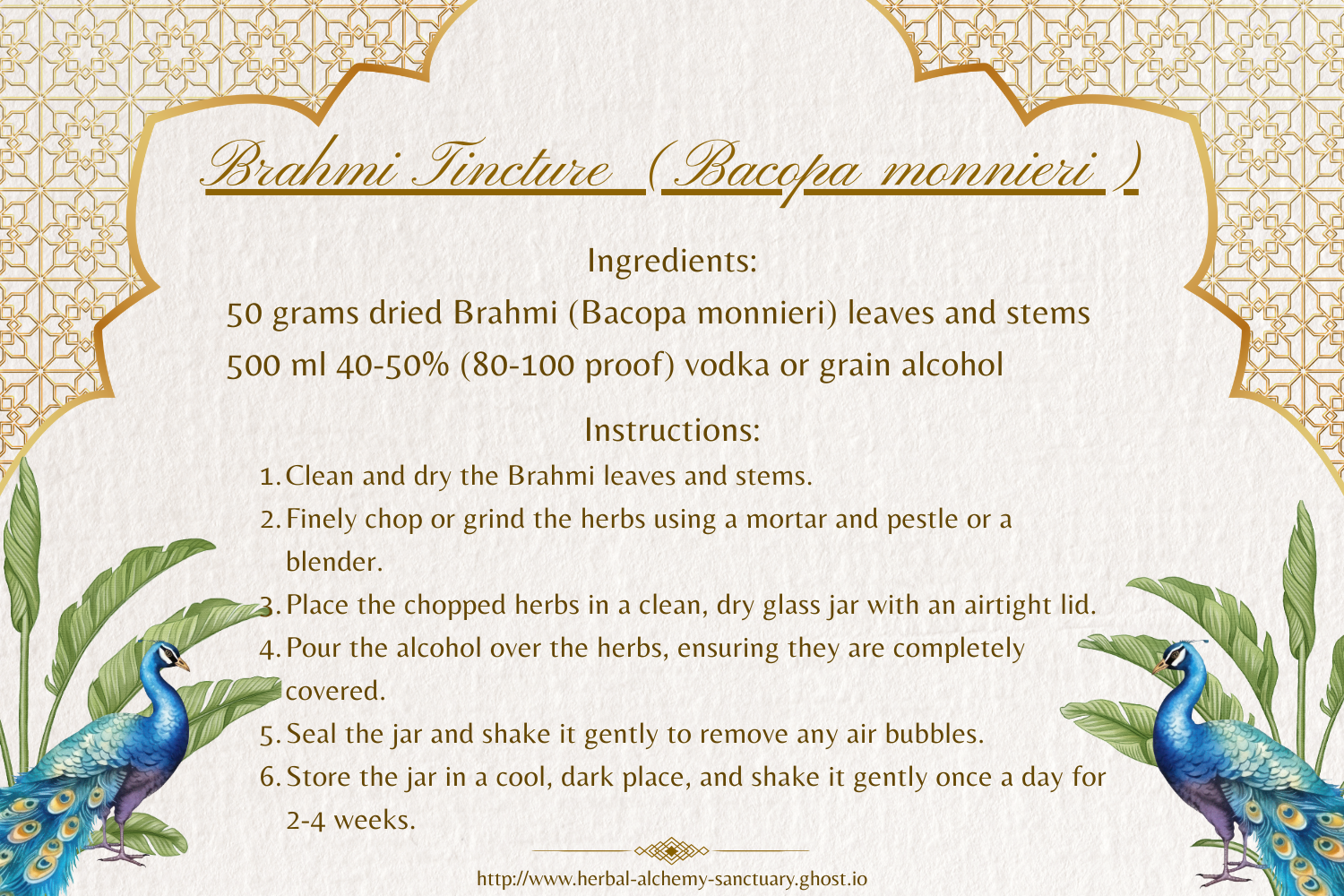
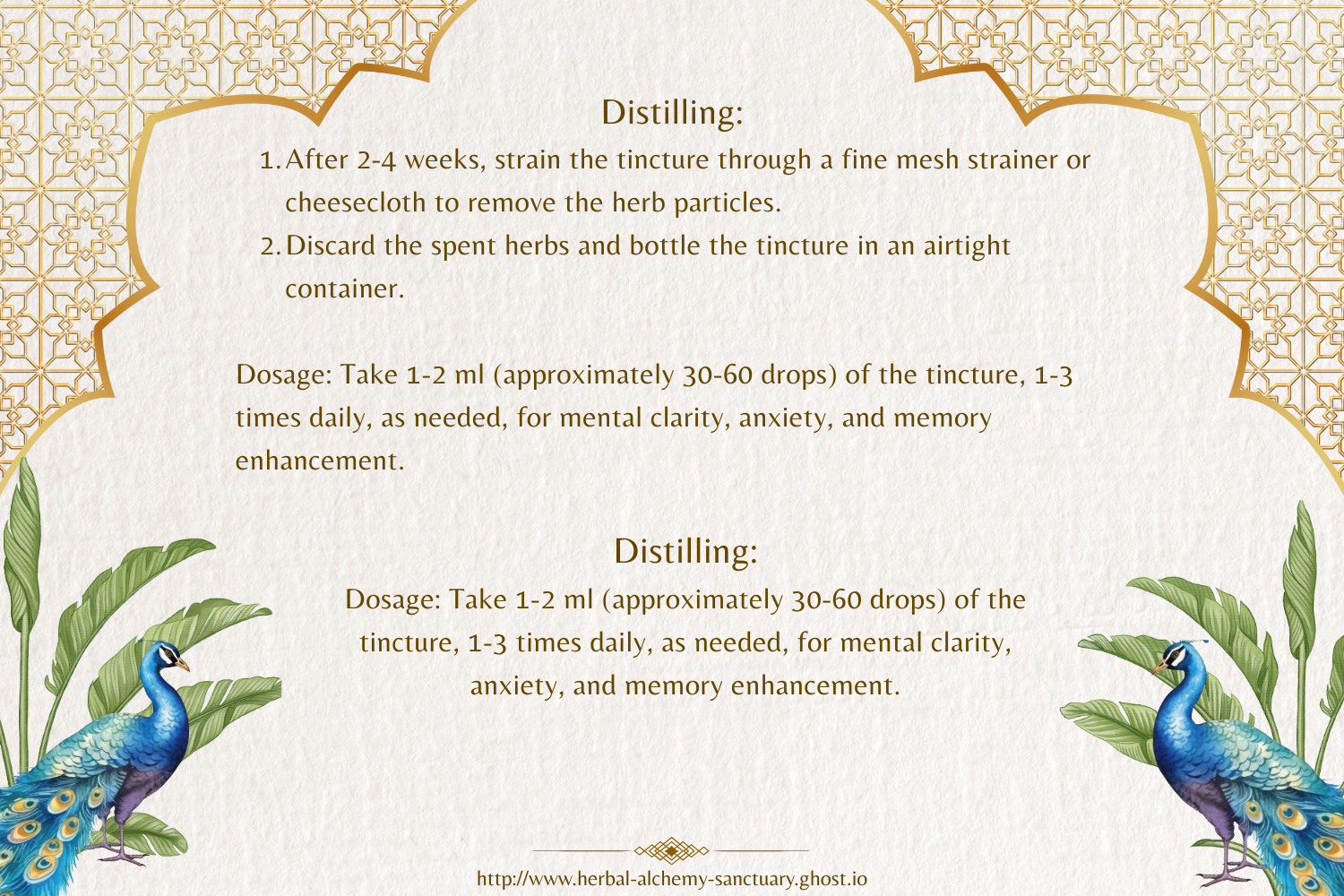
Brahmi Tincture (Bacopa monnieri) uses an alcohol based extraction process to create an end product used for mental clarity, anxiety, and memory enhancement.
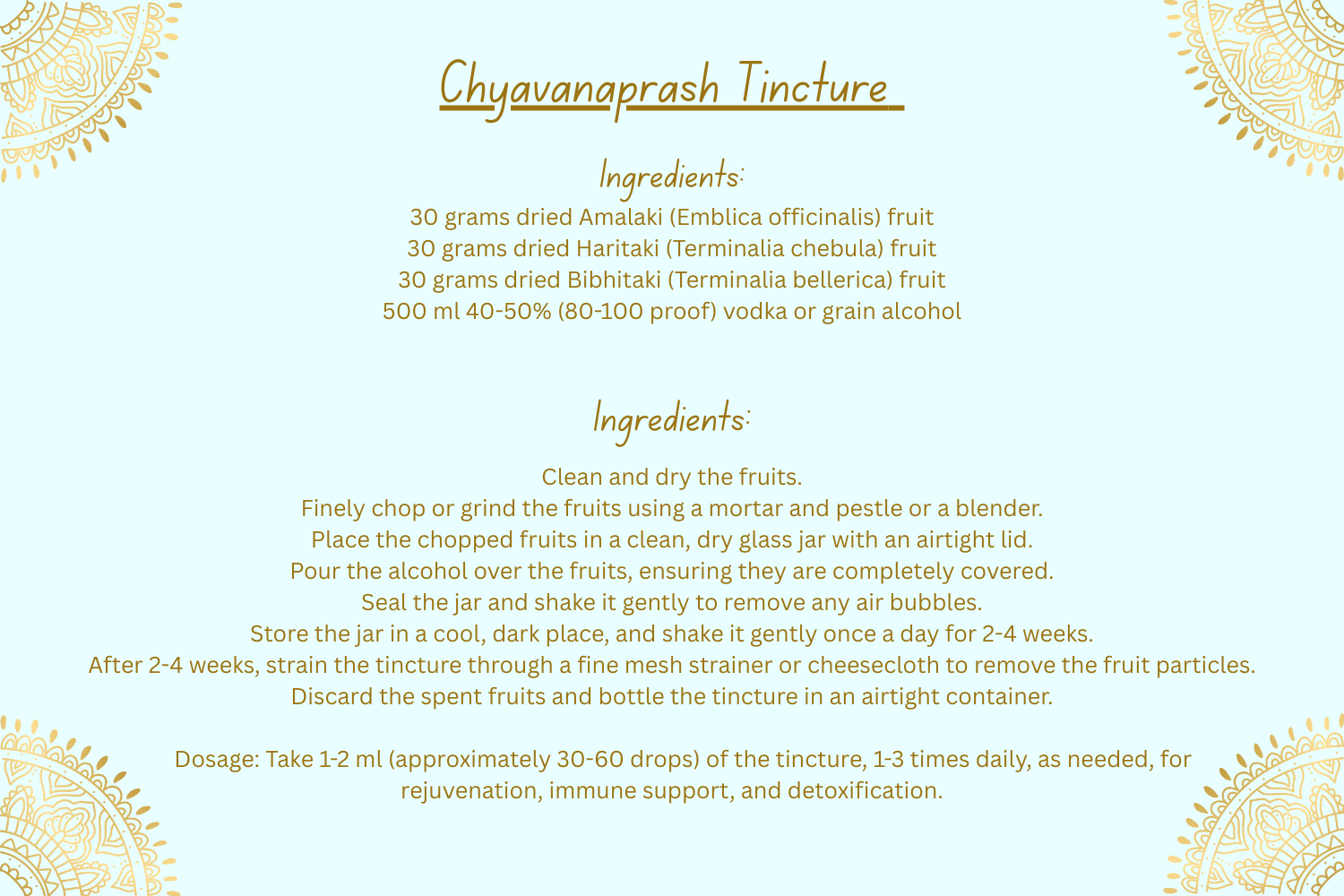
Chyavanaprash Tincture uses an alcohol base to create a herbal remedy for rejuvenation, Immune support, and detoxification.
The above tinctures can be taken orally or added to warm water, milk, or honey for improved taste and stronger absorption effects.
Native American and Indigenous Cultures
Native American and indigenous cultures have a deep understanding of their local flora and have developed various herbal preparations, including tinctures, to treat a wide array of ailments & to support spiritual ritual.
Medicinal Uses
Immune Boosting and Infectious Disease Prevention
Tinctures were often made from plants like echinacea, elderberry, or boneset to bolster the immune system and protect against infections. These herbal remedies harness the power of plants to stimulate the body's natural defenses, helping to prevent and fight off illnesses. For instance, echinacea is renowned for its immunostimulatory properties, while elderberry is rich in antioxidants and anti-inflammatory compounds that can help combat viral and bacterial infections.
An immunostimulatory agent enhances or stimulates the body's natural immune response.
Pain and Inflammation Management
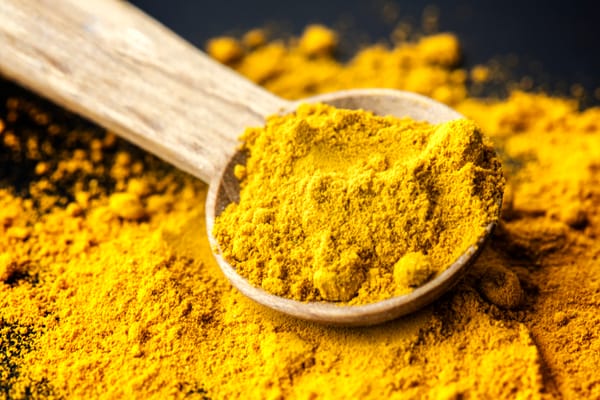
For managing pain and reducing inflammation, numerous plants demonstrate analgesic and anti-inflammatory effects. White willow bark, a natural source of salicin, a type of compound found in several species of trees, including willow (Salix) and poplar (Populus), is transformed into salicylic acid in the body, acting like aspirin to alleviate pain and reduce inflammation. Similarly, turmeric contains curcumin, a potent anti-inflammatory compound that can help soothe aches and pains when taken as a tincture.
Digestive Health and Comfort
For digestive health, Native Americans employ tinctures made from plants such as ginger, peppermint, or dandelion root. Ginger aids in digestion, reduces nausea, and soothes stomachaches, while peppermint has carminative properties that help alleviate gas and promote digestion. Dandelion root, rich in inulin, supports a healthy gut microbiome and improves digestion when taken as a tincture.
Respiratory Support
Herbal tinctures are also used to address respiratory issues, with plants like mullein, thyme, and licorice root being particularly effective. Mullein, with its demulcent (a soothing substance used to relieve pain in inflamed or irritated surfaces) and expectorant (a substance that helps to thin and break down thick mucus in the respiratory tract) properties, helps ease respiratory discomfort, soothe sore throats, and loosen mucus. Thyme, rich in volatile oils, has antimicrobial and anti-inflammatory properties that can help combat respiratory infections, while licorice root soothes sore throats and reduces inflammation.
Skin Care and Wound Healing
Topical application of tinctures is a common practice in Native American medicine for treating various skin conditions. Certain tinctures, such as those made from bilberry or calendula, can promote wound healing and help treat skin infections when applied directly to the affected area. Additionally, herbs like peppermint, with its cooling and anti-inflammatory properties, can soothe itchy, red, and inflamed skin conditions when used topically.
Spiritual Uses
In many Native American traditions, tinctures play a profound role in spiritual practices, serving as powerful tools for connecting with the divine and honoring ancestral spirits. During ceremonies and rituals, tinctures are employed to cleanse and purify individuals, creating a sacred space for spiritual growth and communion with the otherworldly. For instance, Lakota medicine men use tinctures derived from sacred plants like cedar, sage, and sweetgrass to enhance their connection with Wakan Tanka, the Great Spirit, and to seek guidance and healing for their communities.
Tinctures also hold significance as offerings to spirits, ancestors, or deities, serving as a means to honor and appease these powerful beings. By presenting tinctures, Native Americans demonstrate their respect and reverence for the spirits, seeking to cultivate harmonious relationships and invoking their protection and blessings.
Moreover, certain tinctures are used to facilitate meditation and vision quests, employing plants renowned for their spiritual properties. Tobacco (Nicotiana rustica), for example, is not only used medicinally but also ritually, with its smoke carrying prayers and offerings to the spirits. Similarly, sage tinctures are employed to cleanse and prepare individuals for deep spiritual work, enhancing their ability to connect with the divine and receive guidance from the spirit world. These sacred plants help to open the mind and heart, allowing for greater clarity and insight during meditation and vision quests.
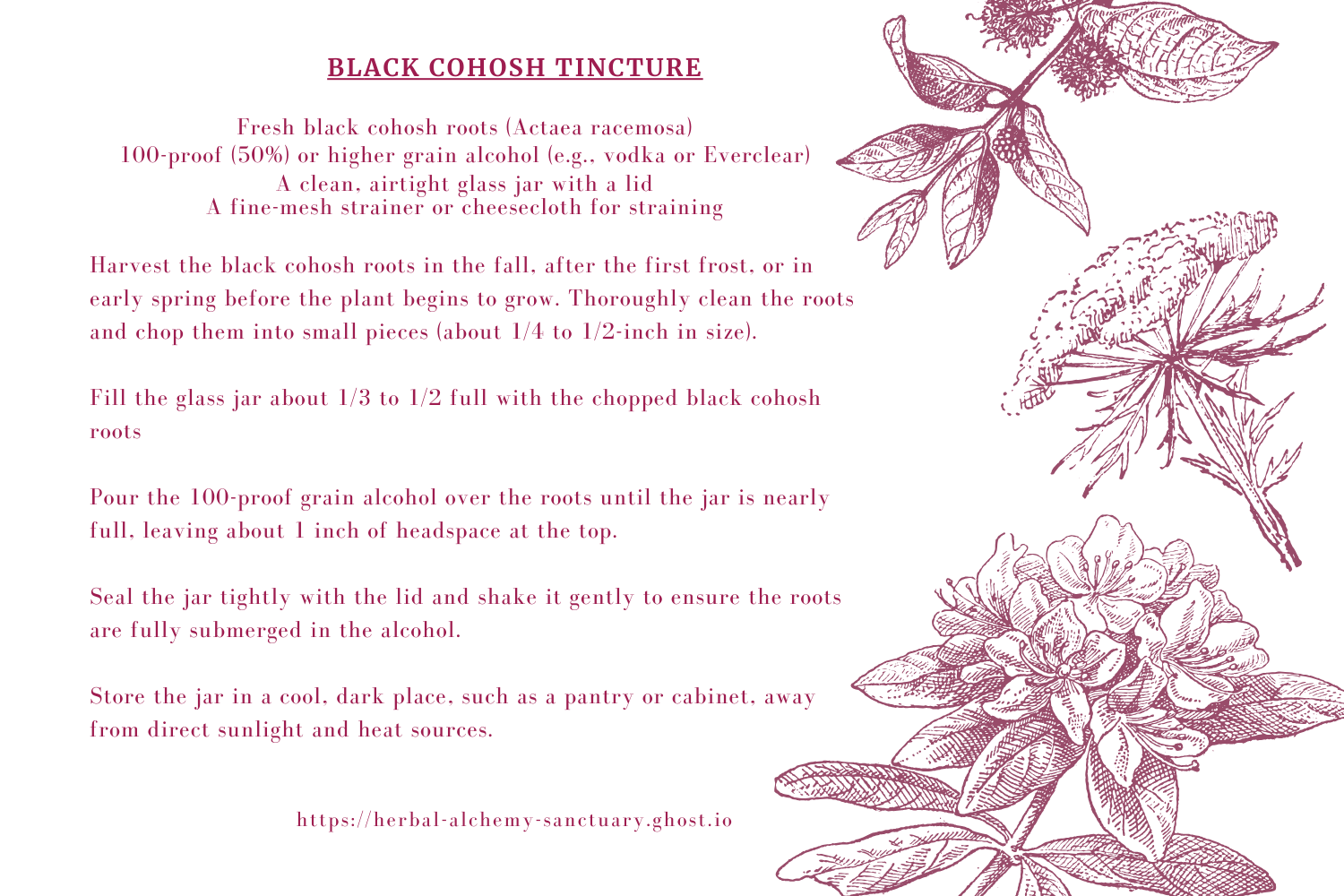
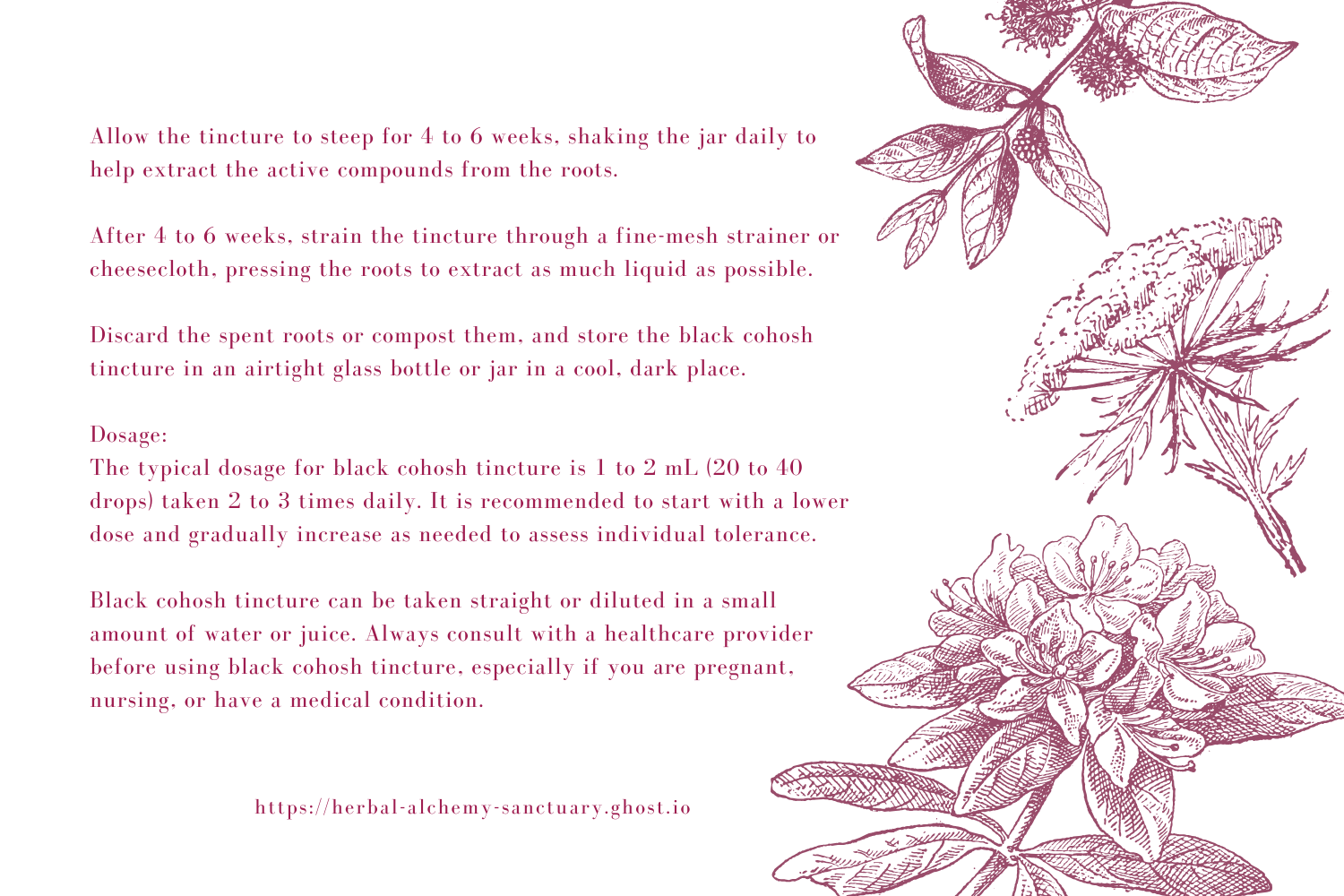
Black Cohosh tincture is made from the root of the Actaea racemosa plant and has been used by Native Americans and European traditional healers alike to support women's health, particularly for symptoms associated with menstruation and menopause.
Tinctures and Their Connection To Modern Medicine
The connection between ancient tinctures and modern pharmaceuticals is evident in the continued influence of plant-based remedies on modern medicine. Today, many modern pharmaceuticals have been derived from these ancient tinctures. For example, the active ingredient in aspirin, salicylic acid, is derived from the willow bark used in traditional remedies.
Similarly, the painkiller morphine and the antimalarial drug quinine were first extracted from the opium poppy and cinchona tree, respectively.
Rauwolfia serpentina, an Indian shrub, has been used in Ayurvedic medicine for centuries to treat mental illnesses and high blood pressure. In the mid-20th century, the active alkaloid reserpine was isolated from the plant. Reserpine was the first antipsychotic medication used in modern psychiatry and was used to treat schizophrenia, anxiety, and high blood pressure. Today, it is still used in some countries for hypertension management.
These historical herbal tinctures, along with many others, have paved the way for countless pharmaceutical developments, demonstrating the timeless power of plants in healing and the undeniable bond between ancient wisdom and modern medicine.
The ancient art of herbal tincture-making remains a testament to the wisdom of our ancestors, indicating a deep understanding of plant properties and their therapeutic potential. From ancient Egypt to modern-day integrative medicine, herbal tinctures have played and continue to play a vital role in supporting human health and wellness.
By embracing this ancient craft, we honor our past while shaping a healthier, more holistic future.
Sources:
- Ebers Papyrus - Ancient Egyptian Medical Text (1500 BCE)
- Huangdi Neijing - Traditional Chinese Medical Text (200 BCE)
- Ayurvedic Medical Texts - Ancient Indian Medical Texts (Over 5000 years old)
- Native American and Indigenous Cultural Practices - Various sources, including "Medicinal Plants and Herbs" by-tierney and "Ethnobotany: A Concise Introduction" by Timothy Johns
Medical Disclaimer
The information provided in this post is for educational and informational purposes only. It is not intended to be a substitute for professional medical advice, diagnosis, or treatment. Always seek the advice of your physician or other qualified healthcare provider with any questions you may have regarding a medical condition. Never disregard professional medical advice or delay in seeking it because of something you have read in this post. The author and publisher of this post is not responsible for any adverse effects arising from the use of the information provided herein.